Rebranding is a process by which an organization or a product updates or changes its image.
5 situations in which a change of image is useful for your business.
A refresh of the brand image requires minimal intervention in the visual or verbal identity. For example, a fine modernization of the logo or an adaptation of the slogan, or a nuance of the colors used.
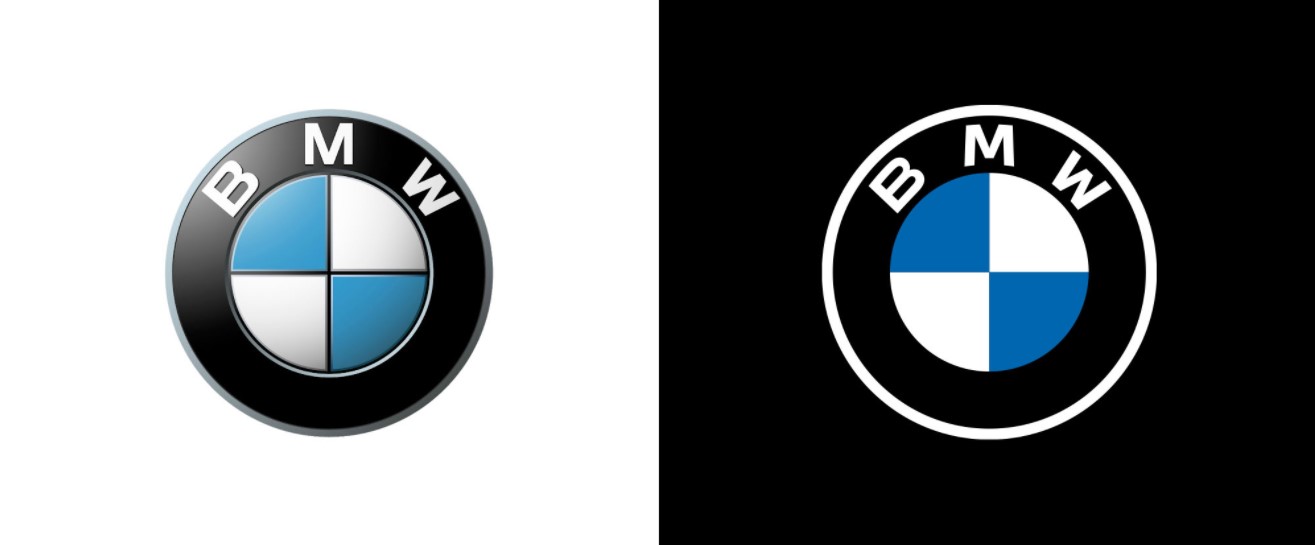
In 2020, BMW updated its image. The new logo is two-dimensional, simpler, and more adapted to digital environments.
Rebranding is a major image change. It is generated by the construction of a new brand strategy and the communication of a new personality. A rebranding project reflects a dramatic change in the way a brand relates to its audience.

A rebranding project can mean changing the company's name, logo, and mission, and involves elements of intellectual property and brand registration.
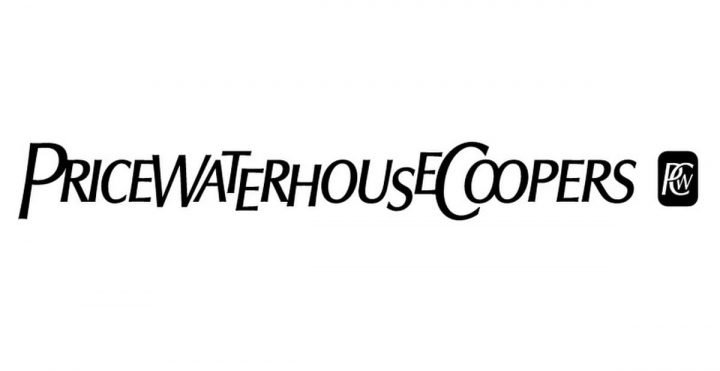
An example of rebranding is the transformation of the consulting firm PricewaterhouseCoopers into pwc.
"We see multiple advantages in this visual change, it helps us communicate the company's values and services more coherently and powerfully, especially in the online environment."

Ian Powell, Chairman and Partner, PwC UK
See more details about the project here:
The advantages of a good image are indisputable. We all look for brands we trust and are willing to pay more for the sense of security that well-known brands give us.
But how do we know when is the right time for a refresh or rebranding project?
I made a list of 5 situations that I encountered
The original plans and values have changed. as the business grew. The brand image no longer overlaps with the company's values today. The organization needs an update and an image alignment with its current ambitions.


The perceived value of a brand can change. A popular product sometimes becomes a luxury product, which is sold expensively. This transition requires investment in increasing product quality and communication. An example is the Volkswagen brand, which initially addressed a very wide audience, and now has premium-class cars in its portfolio.
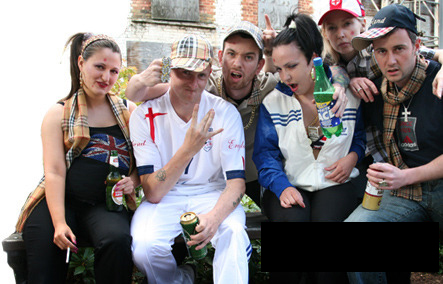
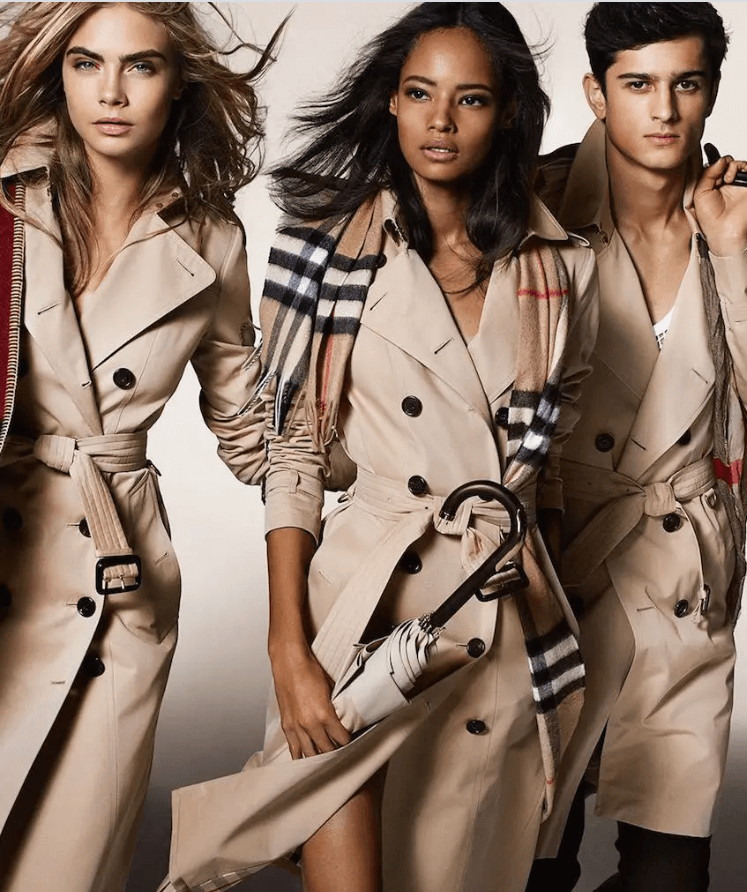
A very interesting case study is that of the Burberry fashion brand. The brand managed to escape the association with the hooligan phenomenon and became a symbol of the luxury fashion industry.
A marketing technique is that of selling a new category of products under an already-known brand. It is more efficient to launch a new product with an already existing trust capital. The loyal audience will associate the qualities of the brand with the new product and will be more willing to test and purchase it.

It is very important for a brand to know how to communicate in the language of its customers.
And they evolve, and so do their desires and aspirations.
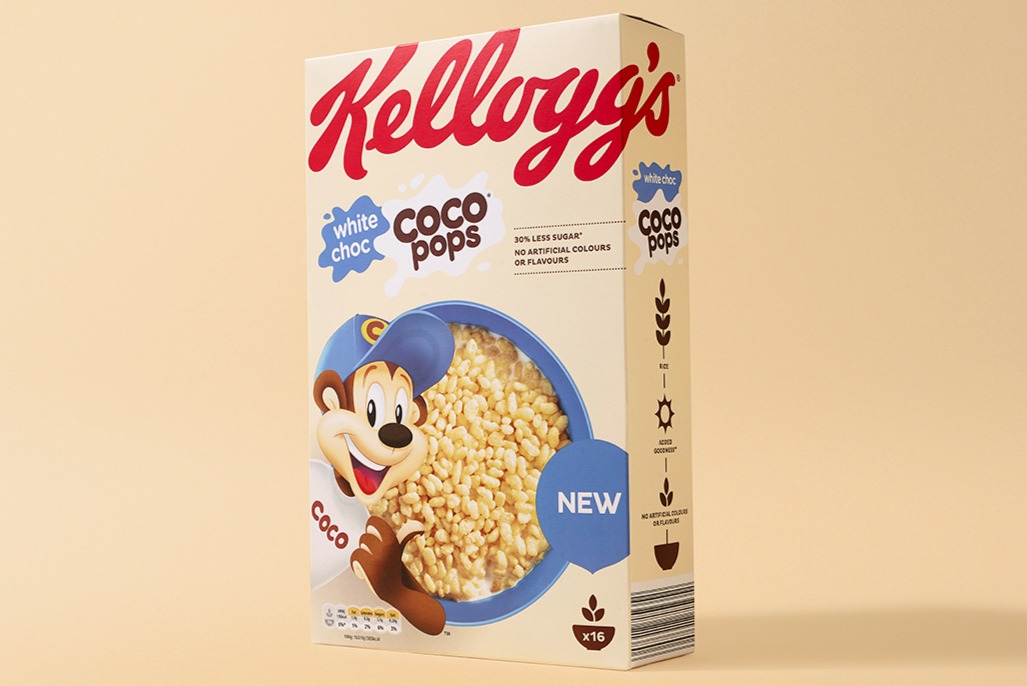
There are brands that communicate with both young people and their parents. For example, cereal brands need to appeal to children but also convey healthy eating messages to parents.
Interaction with brands takes place, most of the time, online.
A brand that looked great in print or on the computer screen no longer fits as well on the small screen of the mobile phone.
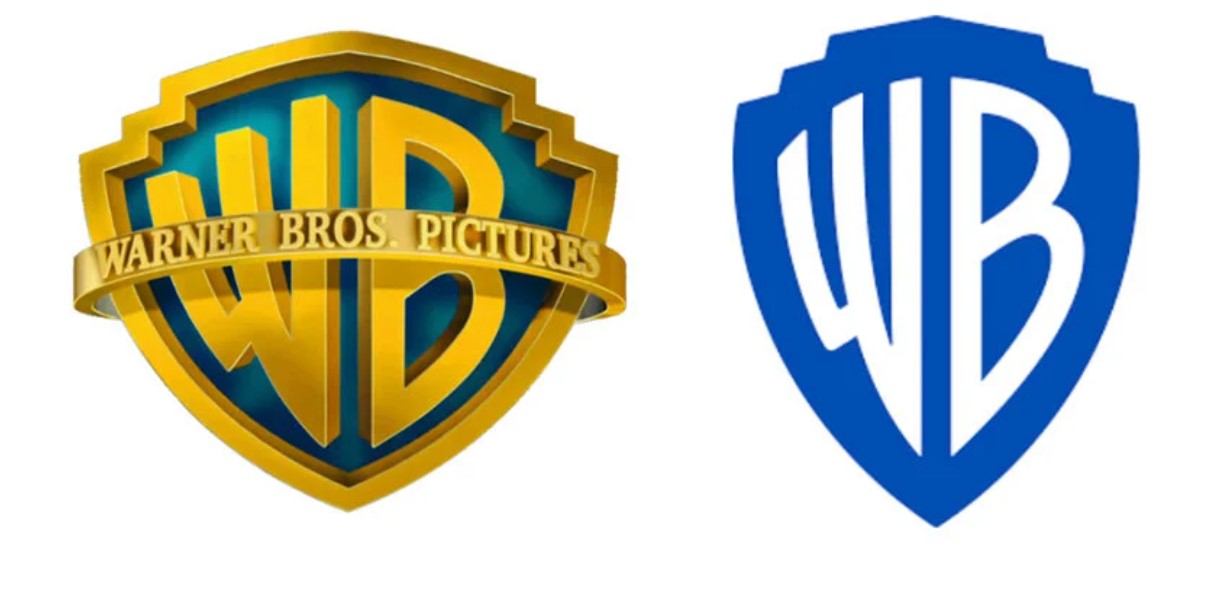
Adapting the image to the digital environment requires a simplification of the constituent elements of the initial identity. The time to decipher the image is much shorter, so the visual identity must be very clean. The font must work at very small sizes. That's why the fonts are full, without serifs, in solid colors.
Bonus:
When consumers are highly attached to a brand's identity
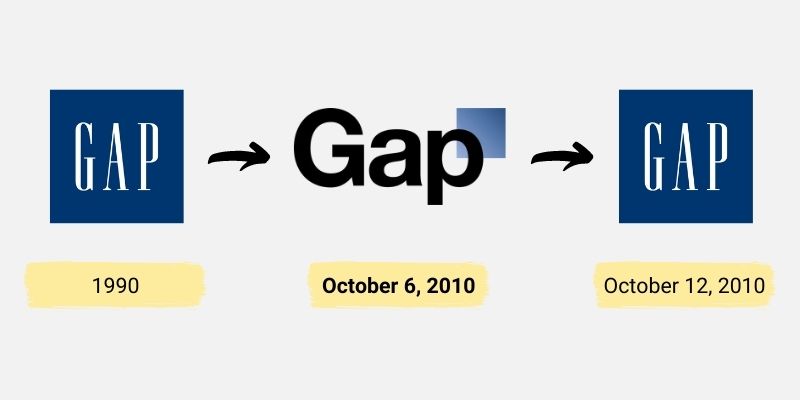
Loyal customers have a sense of brand ownership. They want to recognize the visual identity elements they appreciate. Sometimes changing the brand image is not to the customers' taste. Especially if it is major and not perceived as an improvement.
Strong brands adapt to social and technological changes, thus remaining contemporary and relevant to their audience.
Write to us if you need advice related to the evolution of your brand. The Logo Bigger team has a lot of experience in refreshing or rebranding projects.
A good name must meet at least 3 conditions:
Of course, a naming brief will contain a lot of information and try to provide many selection criteria for a good name, but these three qualities are indispensable. Without them, your company name will be non-functional.
Ideally, the company name should be short, but this is not the condition to achieve memorability. I remember the name of The Flying Pig hostel more easily than a short but impersonal name.
It would be nice if the business name also gives the web domain name, but this is not always possible, and if you have found a good name but do not have a free web domain, there are certain solutions.
Let's take the 3 criteria proposed by me in turn and detail them.
Because a name that sticks in your head is a good name. A creative name will help you exist in the minds of consumers and that means a lot.
When we make a purchase decision, the fact that we know a brand is decisive. Knowing the brand, more often than not, means trusting that brand.
Our memory is limited, a normal person will remember a maximum of 10 brands from a product category. Try to say more than 10 brands of juices or detergents. You will see that it is difficult. And juices or detergents are product categories that communicate a lot. Chances are you've been exposed to several juice or detergent ads today.
A memorable name is friendly to the communication budget. You will need fewer ads for a product with a memorable name than when you want to impose a less happy name on consumers' minds. Better to start with a name that is easy to remember than to make huge efforts to impose it. These efforts mean time and money invested. Better invest this time in the naming phase of your business.
The relevance of the name is very important for the success of your business. It is in vain that you communicate with your audience in a language they do not know. It is the same as when we adapt the way we speak, depending on the interlocutor. In one way we are talking to a 3-year-old child and in another, we are addressing a doctor or a policeman.
To speak the language of your customers, you must make the effort to know them. I recommend that you talk to your customers. The way they talk about your services will be a big help in choosing your business name.
I have a very good example of an entrepreneur who created his business name using customer phrases. When I was a young art director I often heard the expression: I like your idea, but please make my logo bigger!
I used this feedback when I decided to start my own branding agency. Over time I also understood why the texts must be written larger when the readers are over 40 years old…
A good name is a name that tells a story, that gives you familiarity and confidence. That's why names are created with their audience in mind.
Because you are running a business and you want your investment to be protected. A good name becomes a trademark. This way you will be sure that you have the right to use that name and that no one else, in your business category, can use that name.
In the naming creation process, there are many good names that fail the registration test. I'm already someone else's property. There is no point in starting to build a successful business without a solid foundation. This secure foundation is protecting the wordmark you want to associate with your business.
The process of registering a trademark is technical and it can be frustrating, but by no means do I recommend you skip it. I have seen clients in my career who skipped this step and started brand-building from scratch.
Finally, I invite you to see some naming examples from the Logo Bigger portfolio and contact us if you want to build a memorable, relevant, and protectable brand together.
These are the main 2 reasons why we collaborate with our clients. There may be other reasons, but I consider them secondary, or in the area of brand maintenance. Further, I will detail these 2 reasons why a branding agency is useful.
Finding a good registrable name is already a very ambitious project. There are now more than 8 million registered trademarks at the European level. The most crowded categories are those for food products or soft drinks. If you want to enter the market with a new brand of biscuits, you will be amazed at how many registered brands there are.
Many of these brands are unknown, either because they are sold in other markets or because they have never been used. A registered trademark is valid for 10 years.
In a branding agency, there are name seekers. These are very special people, a kind of alchemist of words. The best of them manage to make very good names:
The time required for the creation of a name is 30 - 90 days. Depending on the value of the copywriter, on his inspiration, on the time he allocates to the project, and on the degree of crowding that a certain registration class has.
Once a shortlist of names is created, these proposals must be vetted by a specialist intellectual property firm.
Only after we have the agreement of the law firm, the process of registering a name will begin. The time required for the registration of names is 3-6 months. Depending on the office where it registers and the number of classes a brand wants to block.
A brand needs an entire suite of visuals, typefaces, and a color family to communicate consistently across all mediums.
The logo is very important to signal the personality of a brand, but it is not enough. A package will have a set of associated colors, a font family, and illustrations or other visuals to communicate with.
We can look at the personality of a brand in parallel with the personality of a person. The way it looks matters, but the other elements are also very important:
A company's verbal and visual identity can be associated with a person's personality. The name and logo are the most important elements because they form the first impression. But how a brand continues to communicate will influence how it is perceived by the public.
A branding agency is used to thinking about these things, while most entrepreneurs are more concerned with the functional elements of the business. It's normal to be like that. It's just that a very good product that fails to communicate will not be successful. Without branding, a product will always be perceived as cheap. This perception does not allow the business to grow or develop.
The most successful businesses manage to combine production and communication. Big brands know very well the importance of branding and allocate between 5 and 15% of their turnover to marketing and promotion projects. Small firms, however, do not have this routine and must quickly learn the benefits of communication or remain in an area of low production and prices.
I invite you to see a selection of projects made by Logo Bigger here.
If you need a branding agency, I look forward to talking about your projects. Contact.